

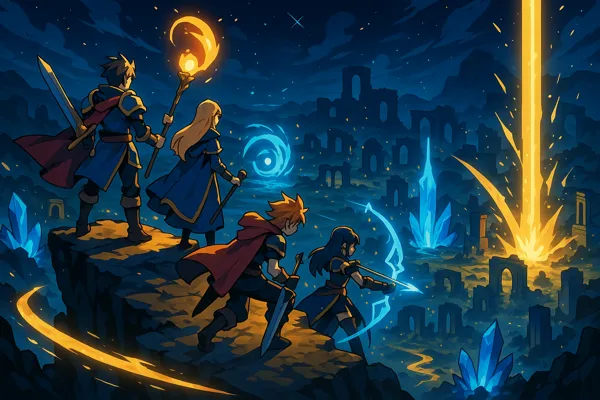
Japanese Role-Playing Games — or JRPGs — represent one of Japan's most culturally significant contributions to global gaming. From the early days of 8-bit adventures in the 1980s to today's fully voiced, cinematic epics, the JRPG genre has consistently delivered stories of extraordinary depth, memorable characters, and unforgettable musical scores. If you've been curious about getting into JRPGs but don't know where to start, this guide is for you.
What Defines a JRPG?
While the lines between game genres are always blurry, JRPGs typically share several characteristics:
- A narrative-driven experience — story and character development are central, not secondary
- Turn-based or action-based combat — often involving a party of characters with distinct roles
- Character progression systems — leveling up, equipping gear, learning new abilities
- Exploration — towns, dungeons, and an overworld to discover
- Themes of friendship, sacrifice, and identity — JRPGs are often deeply emotional journeys
What separates them from Western RPGs (WRPGs) is partly style — JRPGs frequently feature anime-influenced art, orchestral soundtracks, and a tighter authorial vision rather than player-driven emergent storytelling.
The Two Main Combat Styles
Turn-Based Combat
In turn-based JRPGs, you and your enemies take turns choosing and executing actions. This gives you time to think strategically — managing resources, targeting weaknesses, and timing your buffs and heals. Classic series like Dragon Quest, Persona, and Final Fantasy (earlier entries) use this system. Turn-based combat has seen a major comeback in recent years and is no longer considered "outdated" by any serious gamer.
Action Combat (Real-Time)
Action JRPGs blend RPG mechanics with real-time combat, requiring reflexes alongside strategy. Series like Tales of, Kingdom Hearts, and more recently Final Fantasy XVI and Final Fantasy VII Remake use this approach. These tend to feel more immediately exciting but can also be more demanding.
The Best JRPGs for Beginners
| Game | Combat Style | Platform | Why It's Great for Beginners |
|---|---|---|---|
| Persona 5 Royal | Turn-based | PS4/5, PC, Switch, Xbox | Stylish, modern, and deeply engaging story |
| Dragon Quest XI S | Turn-based | Switch, PS4, PC, Xbox | Extremely welcoming, no prior knowledge needed |
| Tales of Arise | Action | PS4/5, PC, Xbox | Great story, modern production quality |
| Final Fantasy X | Turn-based | PS4, PC, Switch | Regarded as one of the best stories in gaming |
| Xenoblade Chronicles 3 | Real-time/hybrid | Switch | Expansive world, excellent character writing |
Key Concepts to Understand
The Grind
JRPGs often require "grinding" — fighting enemies repeatedly to gain experience points and level up your party. Modern JRPGs have become much kinder about this, with many offering auto-battle features or difficulty options that reduce the need for grinding. Don't be put off by the concept — it's usually less onerous than it sounds.
Party Composition
Most JRPGs give you a party of several characters with distinct roles: a tank (takes damage), a healer (restores health), damage dealers, and support characters. Learning to balance your party and use each character's strengths is a core part of the strategy.
Saving Often
JRPGs frequently have challenging boss encounters that can catch you underprepared. Develop the habit of saving at every available save point — many veteran JRPG players have learned this lesson the hard way after a stunning boss ambush ended dozens of minutes of progress.
Why JRPGs Matter Culturally
Many iconic JRPGs are deeply rooted in Japanese mythology, philosophy, and cultural memory. The Shin Megami Tensei series engages with themes from Japanese folklore and world religions. Okami is essentially an interactive lesson in Shinto mythology. Even mainstream titles like Final Fantasy weave in concepts of impermanence, duty, and collective harmony that reflect Japanese values. Playing JRPGs is, in a real sense, an act of cultural exploration.
Where to Play
The PlayStation ecosystem historically has the widest JRPG library. However, Nintendo Switch has become an outstanding platform for the genre, with many acclaimed titles available portably. PC via Steam also has an ever-growing JRPG catalog. Xbox Game Pass has made several JRPGs accessible at no extra cost to subscribers.
"JRPGs aren't just games — they're the kind of stories that stay with you for years, the kind that make you think about who you are and what you value."
Whatever platform you're on, there's almost certainly a JRPG waiting to become one of your favourite gaming experiences. Start with one of the recommendations above, take it slow, and let the world draw you in.